

Destiny 2 playbooks and WoW Forever tactics from my roster



Notes from my group
Why I run both games
I lead a small group, and my job is the plan. Destiny 2 Trials taught me to call plays out loud, and that habit now runs my Forever dungeon evenings. My group forgives my bad calls, and the good ones go straight into these playbooks.
1000+
MONTHLY READERS
700+
SUBSCRIBERS

Check out my road map page for more info!
RECENT BLOG
Checkout Latest Blogs
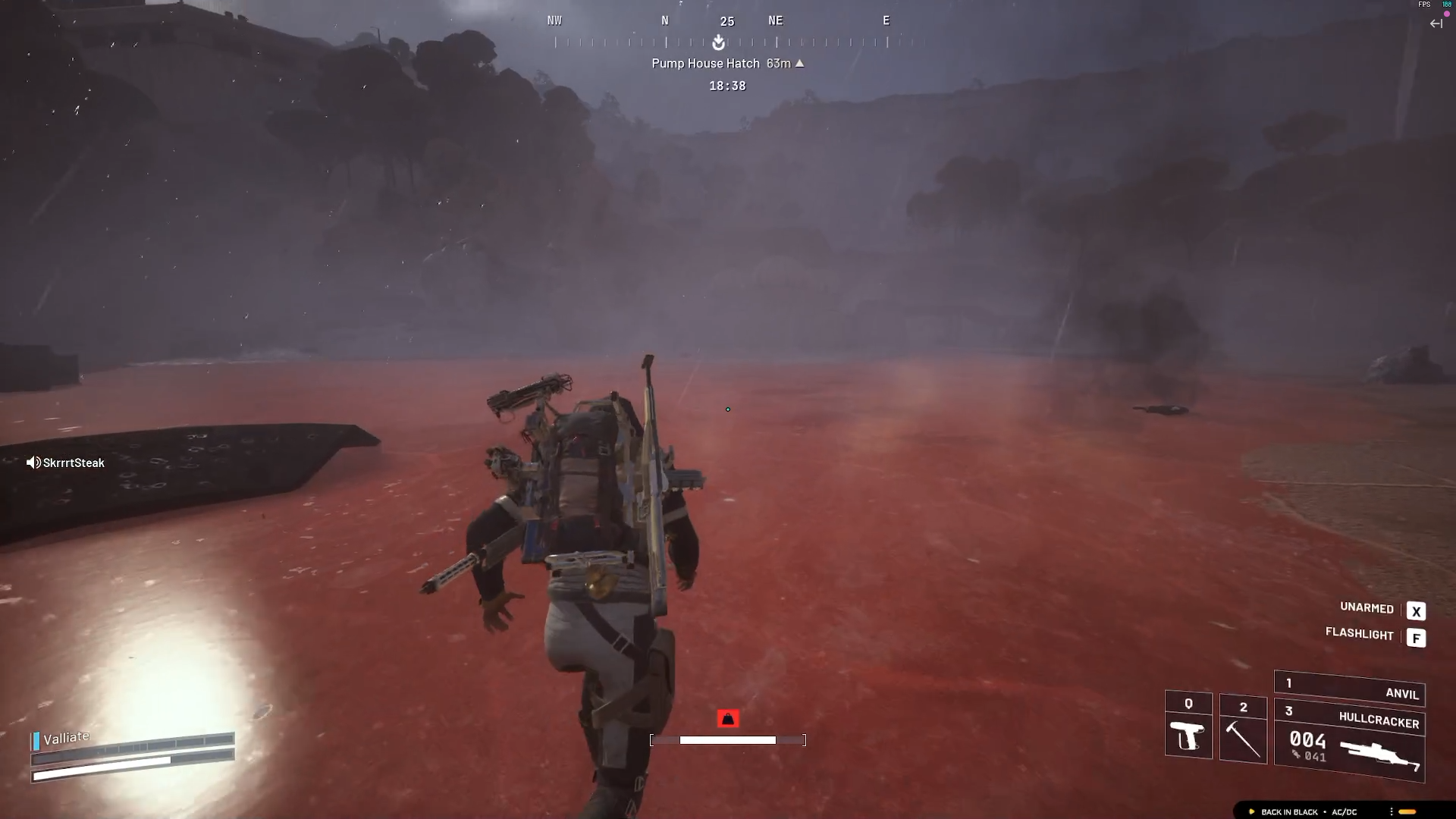
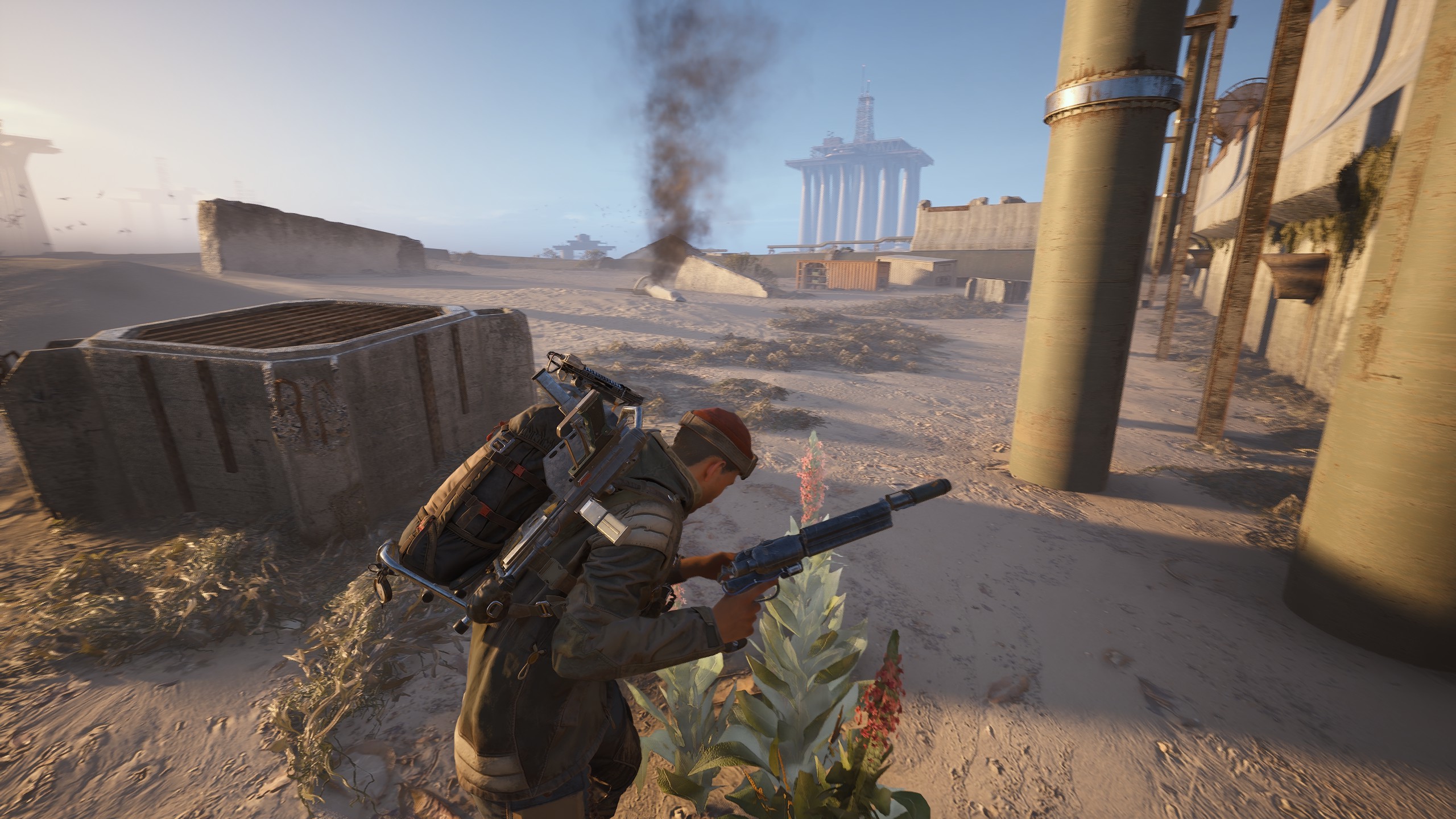
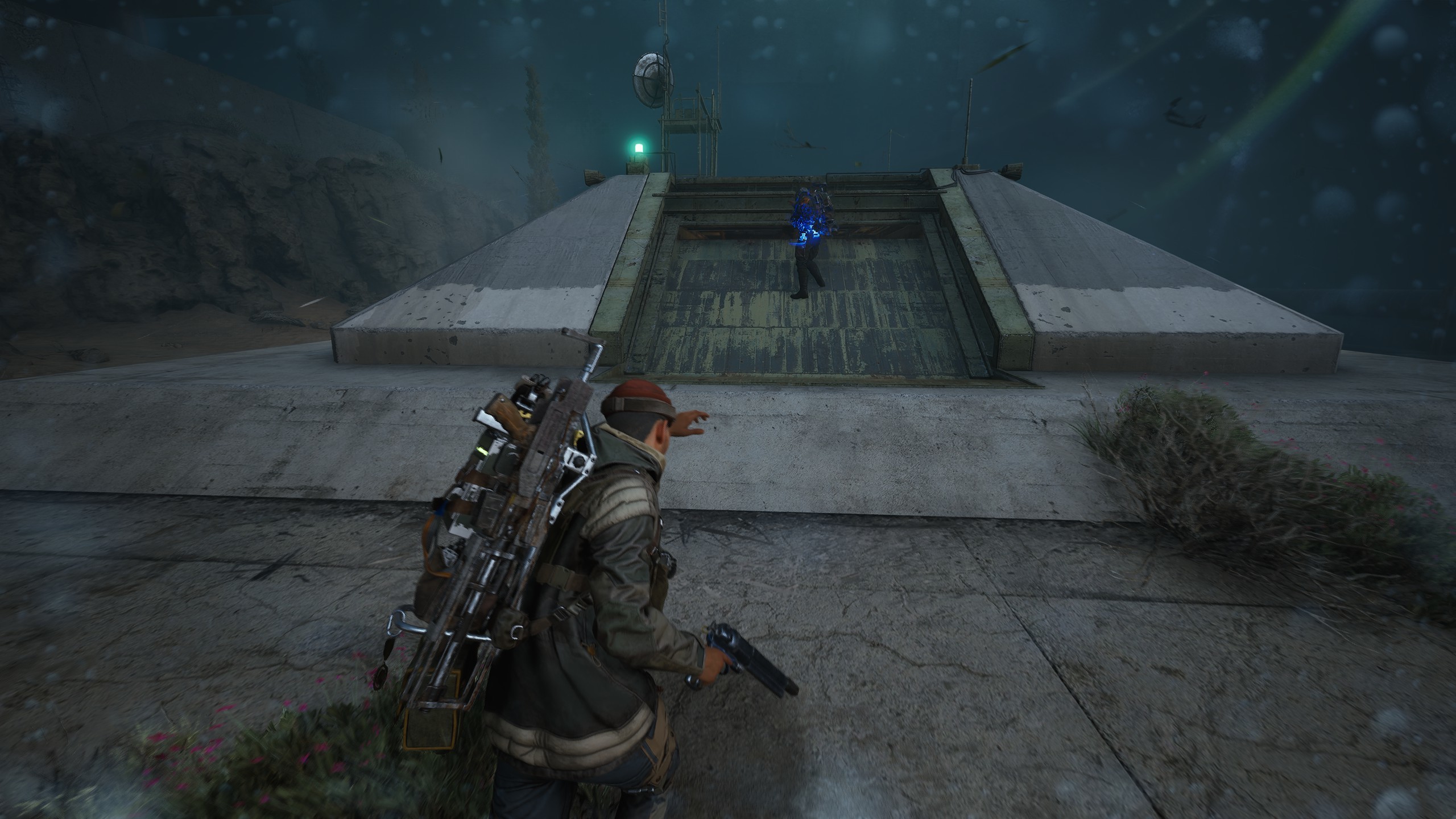
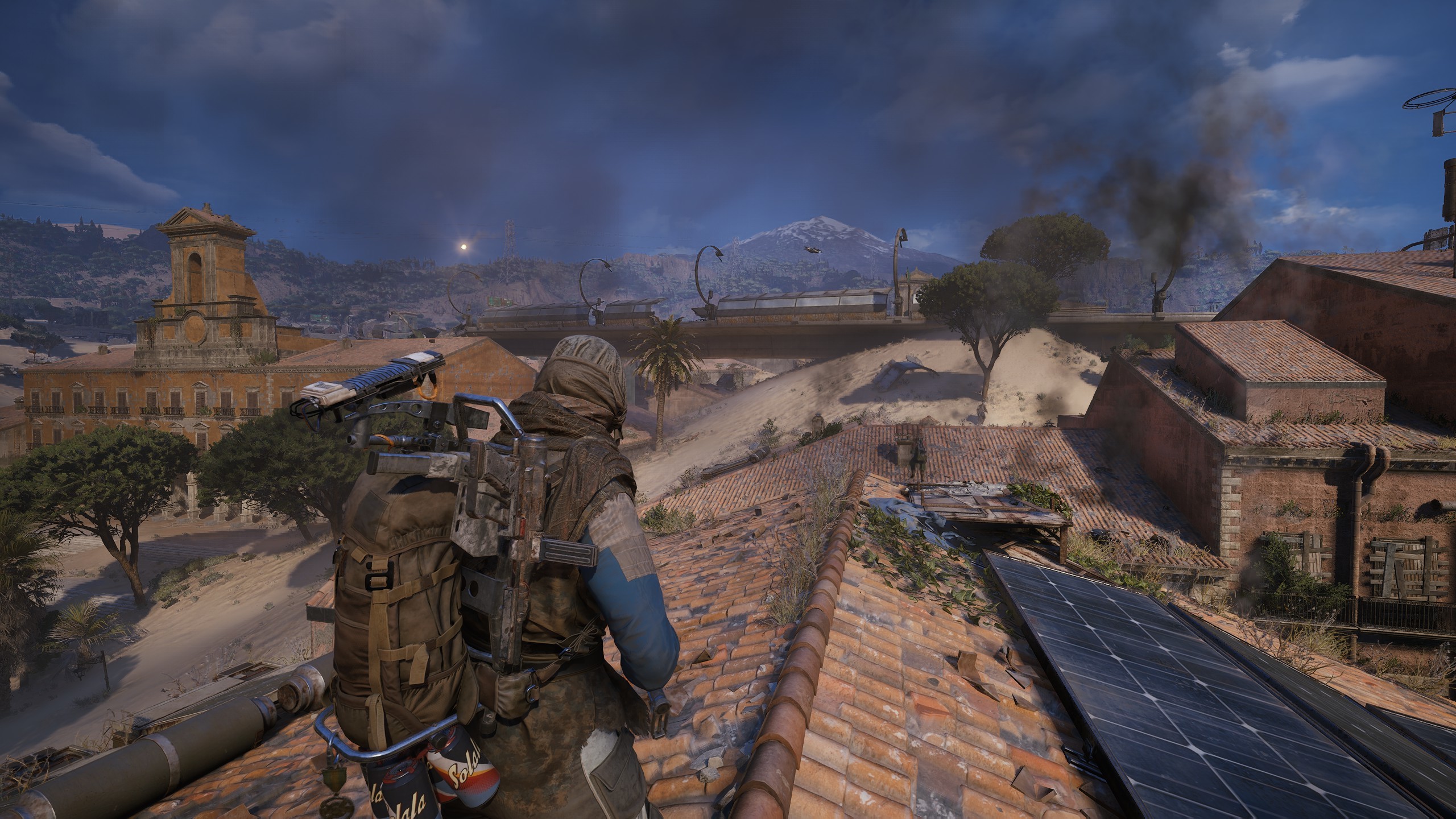
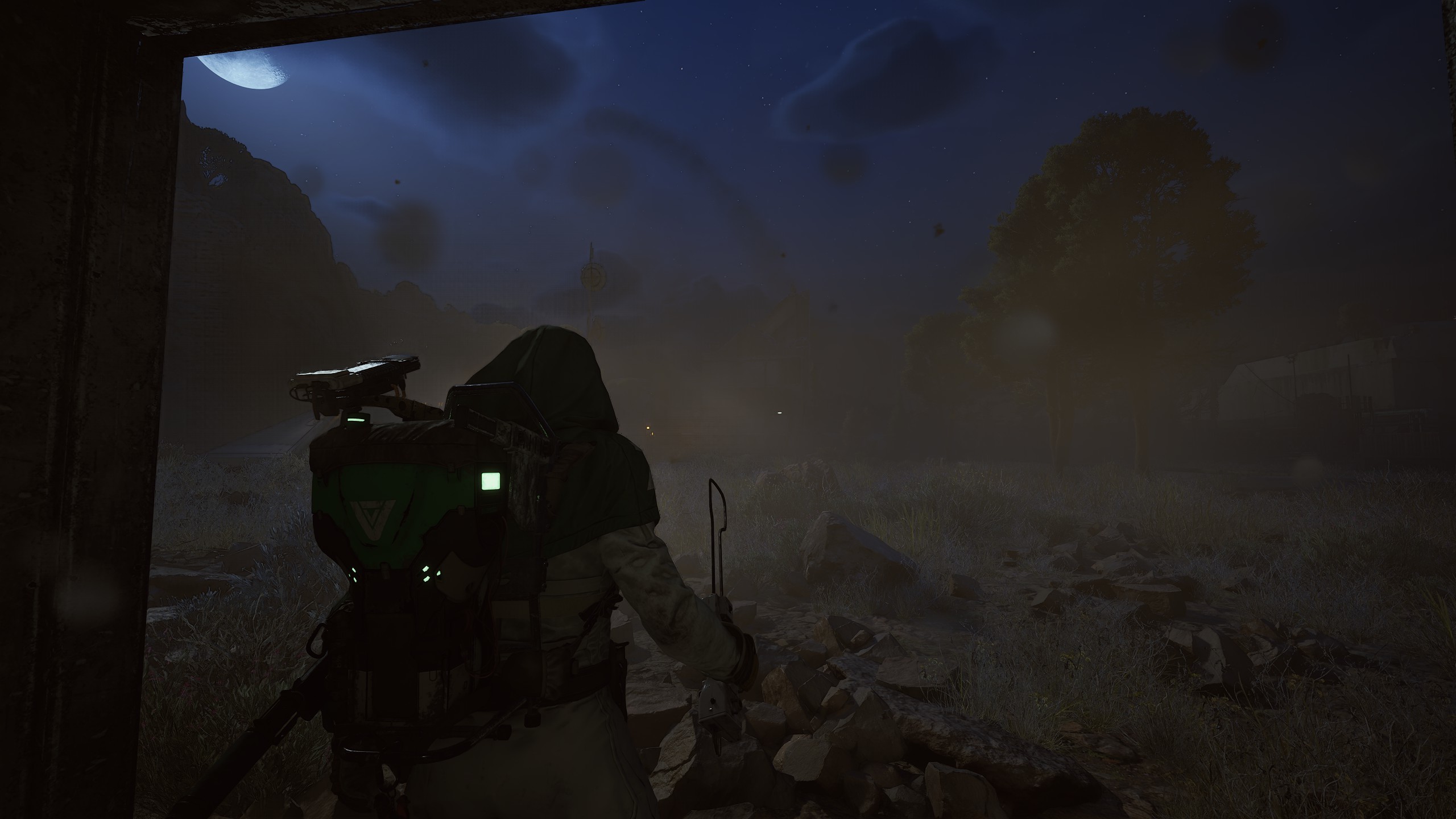
How my group uses a WoW Forever boost run
Every guild roster faces the same persistent friction. Schedules fall out of alignment, key players get trapped at work, and certain leveling stretches drag on so long that group momentum stalls. Instead of canceling our evenings or leaving unfinished questlines behind, my team handles bottlenecks differently.
Whenever we run into a progression wall, I book a WoW Forever boost run. Rather than treating a carry as a passive shortcut, I treat it as a live scouting expedition. I take detailed field notes on pull limits, boss positioning, and pacing, transforming an efficient service run into a practical blueprint that my entire group can study and execute on our own terms.
How a carry run bridges our roster gaps
Finding four or five guildmates with identical free time every single evening is nearly impossible. Our schedule inevitably develops awkward dead zones. Some evenings we find ourselves down a dedicated tank or healer, unable to fill a roster for a key instance. On other nights, a difficult leveling plateau threatens to leave half the team behind.
The extended quest chains throughout Riverglades are a frequent culprit. When those long progression lines stall, morale drops, and people log off. Stepping into a WoW Forever carry solves that immediate gap.
While the booster sets the tempo, clears elite packs, and stabilizes the instance, I sit back with an open notebook. I record the exact pathing, note which patrolling mobs can be bypassed, and document how incoming damage spikes are handled. By the time the run concludes, we have not only crossed the progression threshold, but we also walk away with a custom playbook that our regular roster reuses for future clears without outside assistance.
Our weekly schedule and team goals
Structuring our game time around clear targets keeps our group aligned throughout the week. Each session serves a specific purpose, balancing raw progression with relaxed exploration.
- Midweek leveling sessions focus on pushing through the mid-tier bracket between level thirty and level forty, clearing stubborn bottlenecks across Riverglades so the roster stays at an even level.
- Group dungeon nights operate under a simple majority vote. The roster picks whatever instance holds the upgrades we need most, and I document the pull order and boss mechanics as we clear.
- Weekend sessions are reserved for slow, unhurried questing throughout Shen’dalas, tracking down hidden corners, forgotten ruins, and quiet story threads that speed-leveling guides routinely bypass.
Carrying competitive reflexes into Darkspear Islands
Coming from years of intense matches in the Destiny trials, high-stakes tactical play is hard to abandon entirely. The Darkspear Islands battleground fills that void inside World of Warcraft: Forever.
Featuring fifteen versus fifteen objective gameplay centered on territory control and dynamic flag movement, it demands immediate target prioritization and rapid communication. It delivers the focused adrenaline of competitive trials without the punishing tension of a flawless passage card. When instance queues slow down between dungeon runs, our group drops into the battleground to sharpen our positioning and test situational cooldown coordination under pressure.
Fitting the Skyborne race into our roster
Roster composition required an early decision once the new Skyborne race became available. Because Skyborne choose their faction allegiance during character creation, their path dictates specific class specializations.
Aligning with the Horde directs them toward the shaman path, while joining the Alliance leans into the mage traditions. Both sides retain access to core roles including warrior, hunter, rogue, and druid variations with distinct aesthetic forms.
Our group roster already had plenty of reliable spellcasters and stealth classes, but we lacked consistent utility totems and offensive windfury support for our melee core. Taking the Horde route and adding a Skyborne shaman solved our composition deficit immediately.
Edition packages and starting investment
Getting a roster set up in the game involves deciding which edition matches your goals. The foundational access to the world requires only an active monthly subscription, but the launch tiers offer distinct starting advantages.
- The Heroic tier grants full access to the Skyborne race alongside their exclusive starting territory, making it the minimum requirement for players looking to build a roster around the new racial archetypes.
- The Epic tier bundles beta testing access with an included month of subscription game time, which proved ideal for players who wanted to test early balance passes and run through unfinished zones ahead of release.
- The Collection tier provides complete access alongside the standalone Reforged story campaign, appealing primarily to players who want archival historical material alongside their live characters.
Testing our playbook with your own team
A successful WoW Forever boost is only as valuable as the lessons you retain from it. A single carry can clear an annoying quest blockage, but dissecting the route and mastering the pull sizes turns that brief service into long-term group self-sufficiency.
Take these field notes, test our dungeon pull sequences with your regular team, and see how the routes hold up against your current gear levels. Let me know where your execution stumbles or which boss mechanics catch your group off guard, and I will refine the notes following our next scheduled run.